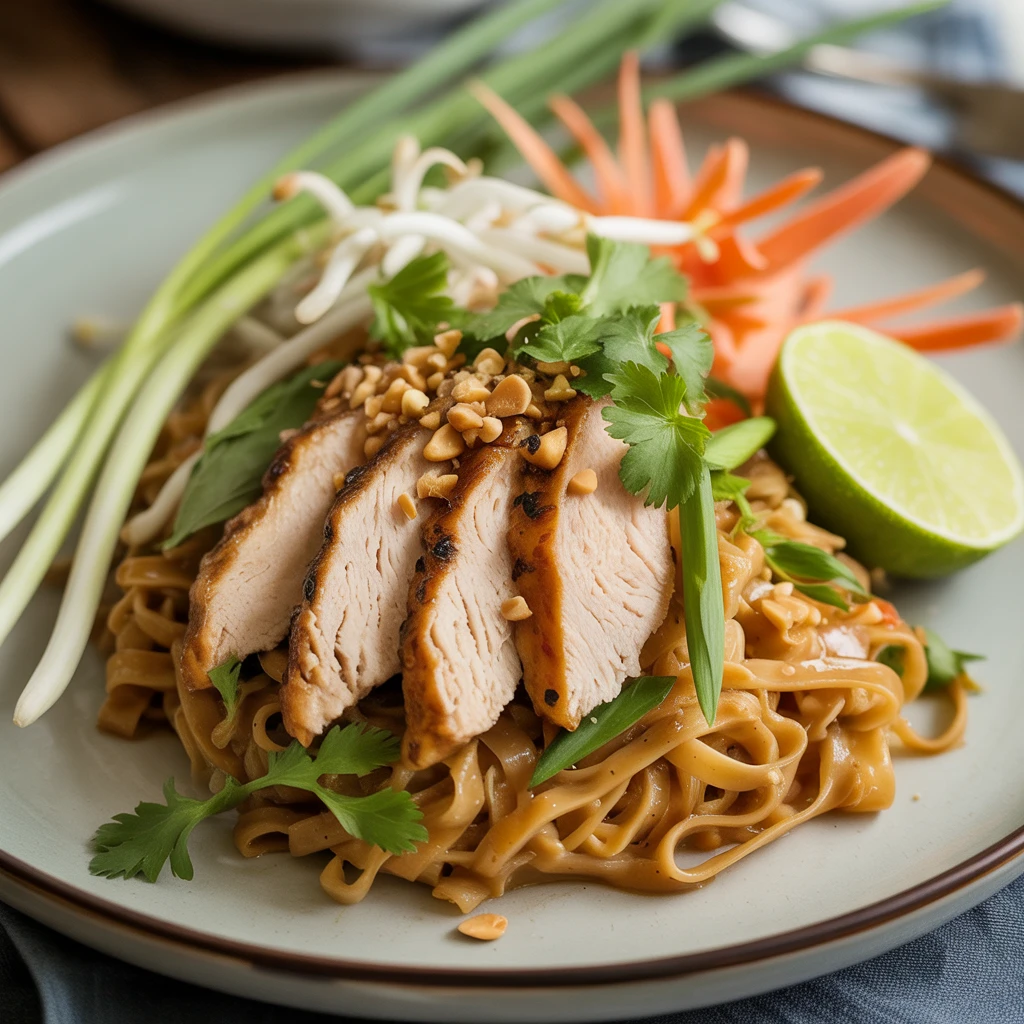
Whip Up Authentic Quick Weeknight Chicken Pad Thai in Under 30 Minutes
Imagine the tantalizing aroma of garlic and tamarind filling your kitchen, instantly whisking you away to the vibrant street food stalls of Thailand. Now, picture achieving that magic, complete with chewy noodles, tender chicken, and a perfectly balanced sauce, all within a mere 30 minutes on a busy weeknight. Sound too good to be true? Not with our guide to crafting an authentic Chicken Pad Thai that’s not just quick, but genuinely delicious and far more satisfying than any takeout.
Chicken Pad Thai is a beloved classic for a reason. It masterfully combines sweet, tangy, and savory notes with a delightful medley of textures – from the springy rice noodles to the succulent chicken and crunchy peanuts. While many might shy away from attempting this iconic dish at home, fearing complexity or lengthy preparation, we're here to bust those myths. This recipe is designed for speed without sacrificing an ounce of its traditional, bold street-food flavor, making it the ultimate homemade meal solution for any day of the week.
The Art of Speed: Essential Ingredients and Smart Prep for Your Quick Chicken Pad Thai
The secret to an authentically flavored Chicken Pad Thai that’s ready in under 30 minutes lies in two key areas: having the right ingredients and mastering efficient preparation. Forget lengthy lists of exotic items; many are pantry staples, and the specialized ones are easily found.
- Noodles First: Opt for fresh flat rice noodles if you can find them – they often require minimal soaking or none at all, slashing prep time. If using dried rice noodles, check the package instructions; typically, soaking in room-temperature water for 30-60 minutes or warm water for 15-20 minutes is sufficient to soften them without overcooking. The goal is pliable, not mushy, noodles.
- The Sauce Foundation – Tamarind and Palm Sugar: These two are non-negotiable for that signature sweet-tangy balance. Tamarind concentrate (found in jars at Asian supermarkets) is your express ticket to authentic sourness without the fuss of soaking and extracting pulp. Palm sugar, with its caramel-like sweetness, adds depth beyond plain white sugar. While brown sugar can be a substitute, palm sugar truly elevates the flavor profile.
- Umami Powerhouse – Fish Sauce: Crucial for the savory, salty, and funky notes that define Thai cuisine. There's no true substitute for good quality fish sauce, so invest in a reputable brand.
- Protein Pick – Chicken: Boneless, skinless chicken breast or thighs are ideal. Slice them thinly against the grain for quick cooking and tenderness. A quick marinade (10-15 minutes is plenty) in oyster sauce adds a layer of savory richness and helps keep the chicken moist during the high-heat stir-fry. Feel free to substitute with shrimp or tofu for delightful variations.
- Aromatics and Richness: Fresh garlic (minced), eggs, and a neutral oil like coconut oil for stir-frying are essential. Shallots can be used alongside or instead of garlic for a slightly sweeter, deeper aromatic base.
- Crunch and Freshness – Toppings: Don't skip these! Fresh bean sprouts, chopped green onions (or garlic chives), crushed roasted peanuts, and lime wedges are what transform a good stir-fry into spectacular Chicken Pad Thai. Dried Thai red chili flakes are for those who crave a bit of heat. If you can find it, a tiny bit of preserved radish adds an unexpected layer of salty complexity.
Pro Tip for Speed: Mise en Place is Your Best Friend! Before you even turn on the stove, have all your ingredients prepped, measured, and within arm's reach. Thinly slice the chicken, chop the garlic and green onions, prepare the sauce in a separate bowl, soak your noodles, and arrange your toppings. This organized approach ensures a smooth, rapid cooking process, making your "under 30 minutes" goal entirely achievable.
Crafting the Perfect Pad Thai Sauce: The Heart of Authentic Flavor
The sauce is arguably the most critical component of any great Chicken Pad Thai. It's a symphony of flavors – sweet, sour, salty, and sometimes spicy – that coats every noodle and piece of chicken, creating that irresistible balance. Achieving this harmony is simpler than you might think, especially when you understand the role of each ingredient.
Our quick pad thai sauce typically combines tamarind concentrate, palm sugar, fish sauce, and a touch of water. Some variations might include a hint of brown sugar for deeper caramel notes, but the core three are non-negotiable:
- Tamarind Concentrate: This provides the signature tangy, fruity sourness. It's more nuanced than lime juice or vinegar, offering a complex sourness that defines authentic Thai cooking.
- Palm Sugar: Unlike granulated sugar, palm sugar has a molasses-like, slightly toffee flavor that adds a richer, more rounded sweetness. It's essential for balancing the tartness of the tamarind and the saltiness of the fish sauce.
- Fish Sauce: This is where the umami and salty kick come from. It adds incredible depth and savory notes that are irreplaceable.
To prepare the sauce, simply combine the tamarind concentrate, palm sugar, fish sauce, and a small amount of water in a pot. Heat it gently over low to medium heat, stirring until the palm sugar fully dissolves. This ensures a smooth, glossy sauce that will evenly coat your noodles. Taste and adjust; you might prefer it a touch sweeter or tangier. This is also where understanding the interplay of these elements will help you unlock authentic Thai flavors in all your cooking endeavors.
Mastering the Stir-Fry Technique for Quick Chicken Pad Thai
With your ingredients prepped and sauce ready, the actual cooking process for your Chicken Pad Thai is a rapid-fire stir-fry that requires your full attention. High heat and quick movements are key to preventing sogginess and developing those beautiful charred flavors.
- Cook the Chicken: Heat coconut oil (or your preferred cooking oil) in a large wok or skillet over medium-high heat. Add your minced garlic and optional shallots, stir-frying until fragrant (about 30 seconds). Add the thinly sliced chicken (marinated in oyster sauce) and cook quickly, stirring frequently, until it's no longer pink and just cooked through. Remove the chicken from the pan and set aside to avoid overcooking.
- Scramble the Eggs: Push any remaining aromatics to one side, add a little more oil if needed, and crack in your eggs. Quickly scramble them until just set, then break them into smaller pieces.
- Introduce the Noodles: Add the softened rice noodles to the pan. If they seem to stick, add a splash of water or oil. Toss them quickly with the eggs and any remaining aromatics, spreading them out to get some direct heat.
- Sauce It Up: Pour your prepared Pad Thai sauce over the noodles. Using tongs or a spatula, toss vigorously to ensure every strand is coated in that delicious, glossy sauce. Continue to stir-fry for 1-2 minutes until the noodles absorb most of the sauce and become tender but still have a slight chew.
- Bring it All Together: Return the cooked chicken to the pan. Add most of your fresh bean sprouts and green onions. Toss everything together for another minute or so, allowing the vegetables to heat through slightly while retaining their crunch.
The entire stir-frying process should take no more than 8-10 minutes if your heat is high and your ingredients are ready. Speed and confidence are your best allies here!
Beyond the Basics: Customization and Serving Your Pad Thai Masterpiece
One of the beauties of homemade Chicken Pad Thai is its versatility. While chicken is classic, don't hesitate to experiment:
- Protein Swaps: Replace chicken with shrimp (cook briefly until pink), thinly sliced beef, or firm tofu cubes (pan-fried until golden before adding to the stir-fry). For a vegetarian version, simply omit the meat and increase the amount of tofu and vegetables, ensuring your fish sauce is a vegetarian alternative.
- Veggie Boost: Add other quick-cooking vegetables like bell peppers, carrots (julienned), or snap peas for extra nutrition and color.
The toppings are not just garnish; they are integral to the authentic Pad Thai experience, adding layers of flavor and texture:
- Crushed Peanuts: Essential for a rich, nutty crunch.
- Lime Wedges: A generous squeeze of fresh lime juice just before eating brightens the entire dish, cutting through the richness and enhancing the tang.
- Fresh Bean Sprouts & Green Onions: Provide a refreshing, crisp contrast.
- Chili Flakes: For those who love a kick, sprinkle dried Thai red chili flakes to taste.
- Preserved Radish: If you can find it, a small amount chopped finely adds a unique salty-sweet depth that truly elevates the dish to street-food authenticity.
Serve your steaming hot Chicken Pad Thai immediately, garnished generously with all the fresh toppings. The interplay of warm noodles, tender chicken, crunchy sprouts, and zesty lime makes every bite an adventure. It’s these thoughtful additions that help make homemade chicken pad thai better than takeout, ensuring a truly restaurant-quality experience right in your home.
Conclusion
Forget the long waits and questionable ingredients of takeout. With this comprehensive guide, you now have all the tools and confidence needed to create an incredibly flavorful, authentic, and satisfying Quick Weeknight Chicken Pad Thai in under 30 minutes. It's a vibrant dish that promises to delight your taste buds, impress your family, and bring the bustling flavors of Thailand straight to your dinner table. So, grab your wok, gather your ingredients, and get ready to enjoy a culinary journey that's both fast and profoundly rewarding!
