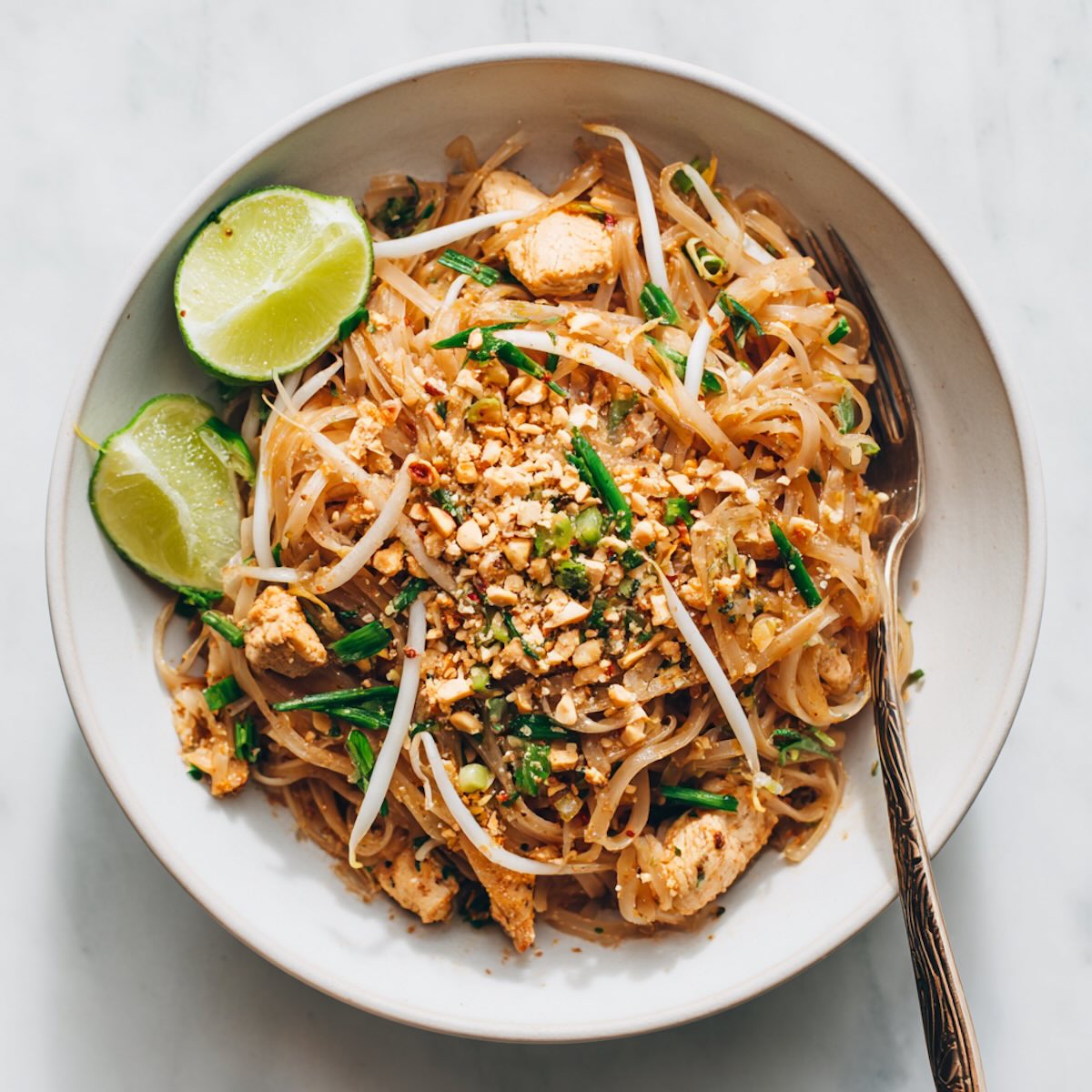
Homemade Chicken Pad Thai: Better Than Takeout, Ready in Minutes
Imagine the rich aroma of tamarind, garlic, and fish sauce wafting through your kitchen, instantly transporting you to the vibrant streets of Thailand. That's the magic of a perfectly executed Quick Weeknight Chicken Pad Thai: Authentic Flavor in Under 30 Mins. While the allure of takeout is strong after a long day, there's a unique satisfaction and undeniable superiority to whipping up a batch of homemade chicken pad thai. This isn't just another meal; it's a delightful culinary adventure that delivers a symphony of sweet, tangy, and savory notes, all packed into a quick stir-fry that often rivals—and even surpasses—your favorite restaurant version. Best of all? It can be on your table in under 30 minutes, making it the ultimate weeknight dinner solution.
At its heart, chicken pad thai is a classic Thai stir-fry built on a foundation of tender chicken, chewy rice noodles, and often, scrambled eggs and crisp vegetables. What truly sets it apart is the glossy, complex sauce—a careful balance of tamarind's sourness, palm sugar's sweetness, and fish sauce's profound umami. Finished with a scattering of crunchy peanuts and a squeeze of fresh lime, it's a dish that tantalizes every taste bud, offering a delicious combination of textures and bold, authentic street-food flavor, all from the comfort of your home kitchen.
Why Homemade Chicken Pad Thai Trumps Takeout Every Time
While takeout certainly has its place, opting for homemade chicken pad thai brings a host of benefits that make the minimal effort truly worthwhile:
- Unbeatable Freshness and Quality Control: When you cook at home, you choose the freshest ingredients. You select high-quality chicken, vibrant vegetables, and control the types and amounts of oils and seasonings used. This often translates to a lighter, healthier, and more flavorful dish than what you might get from a typical restaurant.
- Customization to Your Liking: Do you prefer more spice? Less sweetness? Extra vegetables? Homemade allows you to tailor every aspect of your chicken pad thai to your personal preference. You can easily adjust the heat level with chili flakes, swap proteins like shrimp or tofu, or load up on your favorite crunchy additions.
- Cost-Effective Dining: Regularly ordering Thai takeout can quickly add up. Preparing chicken pad thai at home is significantly more economical, allowing you to enjoy this vibrant dish more often without breaking the bank. You'll find that the cost of ingredients for multiple servings is often less than a single takeout order.
- Speed and Convenience: Believe it or not, a homemade batch of chicken pad thai can be ready just as fast, if not faster, than waiting for delivery or pickup. With a bit of prep, the actual cooking time is incredibly short, making it an ideal choice for busy weeknights.
- The Joy of Creation: There's immense satisfaction in creating a delicious meal from scratch. The aroma filling your kitchen and the pride of serving a restaurant-quality dish that you made yourself are rewards in themselves.
The Essential Ingredients for Authentic Chicken Pad Thai Flavor
The secret to a truly great chicken pad thai lies in its distinct ingredients. Each component plays a crucial role in achieving that signature balance of sweet, sour, salty, and savory.
- The Noodles: Rice noodles are the heart of Pad Thai. For the best texture, opt for fresh rice noodles if available, which have a superior chewiness. If using dried rice noodles (the most common option), proper soaking is key. Soak them in room-temperature water for about 30 minutes to an hour until pliable but still slightly firm. They will finish cooking in the wok.
- The Unmistakable Sauce: This is where the magic happens.
- Tamarind Concentrate: Non-negotiable for authentic tang and a subtle fruity note. Jarred tamarind concentrate is a convenient and essential staple.
- Palm Sugar: Provides a unique caramel-like sweetness and depth. If unavailable, brown sugar can be substituted, but palm sugar offers a more traditional flavor profile. Adjust to your desired sweetness.
- Fish Sauce: The cornerstone of Thai savory flavor, delivering deep umami and saltiness. Choose a good quality fish sauce for the best results.
- Water: Helps dissolve the sugars and tamarind, creating a sauce with the perfect consistency.
- The Protein: Tender chicken breast or thighs are classic for chicken pad thai. Slice them thinly against the grain for quick cooking and tenderness. A quick marinade in oyster sauce for 10-15 minutes can significantly enhance their flavor and tenderness, making them even more succulent. Feel free to swap chicken for shrimp or firm tofu for versatile variations.
- Aromatics and Richness:
- Garlic: Minced garlic provides a foundational aromatic base. Shallots can also be added for extra sweetness and depth.
- Eggs: Scrambled directly in the wok, eggs add richness, texture, and a beautiful yellow hue to the dish.
- Coconut Oil: Ideal for stir-frying, offering a subtle flavor and high smoke point. Any neutral high-heat oil will also work.
- The Crunchy Toppings and Fresh Finishers: These elements are critical for the authentic Pad Thai experience.
- Green Onions or Garlic Chives: For freshness and a mild oniony bite.
- Bean Sprouts: A must-have for their refreshing crunch and nutritional boost.
- Crushed Peanuts: Add essential richness and a delightful textural contrast.
- Lime Wedges: A squeeze of fresh lime juice just before eating brightens all the flavors and adds a crucial zesty finish.
- Optional Additions: Preserved radish (if you can find it) offers a unique salty-sweet depth, and dried Thai red chili flakes are for those who crave a fiery kick.
- Marinate the Chicken: Begin by thinly slicing your chicken breast or thighs. Toss them with a tablespoon of oyster sauce (or soy sauce for a dairy-free option) and let them sit for 10-15 minutes. This simple step adds a layer of flavor and helps tenderize the chicken.
- Soak the Noodles: If using dried rice noodles, place them in a bowl and cover with room-temperature water. Let them soak for 30-60 minutes, or until they are pliable and bend without breaking, but still firm to the touch. They will continue to cook in the hot wok. Fresh noodles only need a brief soak or rinse.
- Prepare the Tamarind Sauce: In a small saucepan, combine tamarind concentrate, palm sugar (or brown sugar), fish sauce, and a splash of water. Gently heat over low heat, stirring until the sugars are completely dissolved and the sauce is uniform. Taste and adjust—it should be a perfect balance of sweet, sour, and salty.
- Cook the Chicken: Heat a large wok or high-sided skillet over medium-high heat. Add a tablespoon of coconut oil or your preferred cooking oil. Once shimmering, add minced garlic and optional shallots, stir-frying until fragrant (about 30 seconds). Add the marinated chicken and cook, stirring frequently, until it's no longer pink and cooked through. Remove the chicken from the wok and set aside to avoid overcooking.
- Scramble the Eggs: Push any remaining ingredients to one side of the pan. Crack two eggs directly into the empty side. Let them set slightly, then gently scramble them until just cooked but still soft. Break them into smaller pieces.
- Combine Noodles & Sauce: Return the cooked chicken to the wok. Add the soaked (and drained) rice noodles and pour the prepared tamarind sauce evenly over everything. Using tongs or two spatulas, toss vigorously to coat the noodles and chicken in the sauce. This step is crucial for flavor distribution. Continue to stir-fry for 2-3 minutes, allowing the noodles to absorb the sauce and become tender. If the noodles seem too dry, add a tablespoon or two of water.
- Finishing Touches: Add a generous handful of fresh bean sprouts and green onions (or garlic chives) to the wok. Toss everything together for just another 30 seconds to warm the vegetables slightly while maintaining their crunch.
- Protein Swaps: Not a fan of chicken? Swap it out for succulent shrimp, crispy pan-fried tofu, or thinly sliced beef.
- Vegetable Additions: While bean sprouts and green onions are traditional, don't hesitate to add other quick-cooking vegetables like thinly sliced carrots, bell peppers, snow peas, or even broccoli florets for extra nutrition and color. Add them to the wok when you add the chicken, ensuring they soften slightly but retain a crisp bite.
- Spice Level: For those who love heat, stir in dried Thai red chili flakes along with the garlic, or serve them on the side for individual customization.
- Dietary Adaptations:
- Gluten-Free: Ensure your fish sauce and oyster sauce (or substitute with GF soy sauce) are gluten-free, and use 100% rice noodles.
- Vegetarian/Vegan: Omit the chicken and eggs. Use firm or extra-firm tofu, pressed and cubed, for your protein. Ensure your fish sauce is a vegetarian version (often made from mushroom or seaweed) and use a vegetarian oyster sauce or a soy-based marinade for the tofu.
Mastering the Homemade Chicken Pad Thai Method: A Step-by-Step Guide
With your ingredients prepped, assembling your chicken pad thai is a quick and satisfying process. Remember, stir-frying is all about speed and high heat, so having everything ready (mise en place) before you start cooking is crucial.
For more detailed insights into mastering each element and achieving a truly authentic result, check out our guide on Unlock Authentic Thai Flavors: Master Homemade Chicken Pad Thai.
Customizing Your Chicken Pad Thai Adventure
One of the joys of cooking at home is the freedom to experiment and adapt recipes. Your homemade chicken pad thai is incredibly versatile:
Making homemade chicken pad thai is more than just cooking a meal; it's an experience that delivers incredible flavor, fresh ingredients, and the satisfaction of creating a beloved dish from scratch. It's truly better than takeout, allowing you to enjoy a vibrant, authentic Thai culinary journey in mere minutes. So, grab your wok, gather your ingredients, and prepare to impress yourself and your loved ones with this quick, delicious, and utterly rewarding dish!
